
Key Takeaways
- Most toothbrushes need replacing every three to four months.
- Frayed bristles, faded colour indicators, and stuck debris are signs to swap sooner.
- Illness, a drop on the floor, or a curious pet calls for an early replacement.
- Electric brush heads follow the same three month timeline.
- Kids often brush harder, so their bristles wear faster.
- Rinse well, store upright and uncovered, and set a reminder.
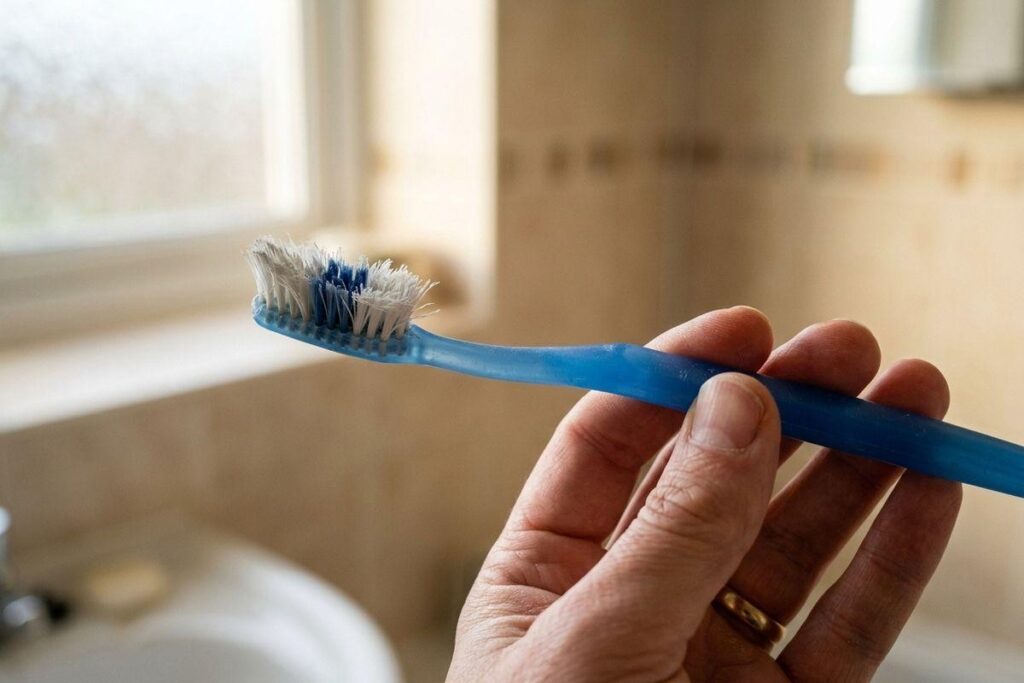
You reach for the same brush every morning without giving it much thought. Then one day you notice the bristles have gone soft and shaggy, splayed out like a broom that’s swept one too many floors. That brush has been working overtime.
Replace your toothbrush every three to four months, or sooner if the bristles look worn, frayed, or faded. If you’re searching for a dentist in Downtown Calgary, our team at Pinnacle Dental can help you build habits like this one into your routine. That timing also lines up nicely with your dental checkups, which makes it easier to remember.
The 3 to 4 Month Rule
Dental groups point to the same window across the board. Three to four months of daily use is about how long a brush holds its shape before the bristles start giving up.
That said, the calendar isn’t the only guide. If your bristles look tired at week ten, swap them out. Some people brush with more pressure and wear a brush down faster than others.
An easy trick is to tie the swap to your dental visits. Two checkups a year gives you two natural reminders, and you fill in the gaps between them.
Signs It’s Time for a New Brush
Your toothbrush usually tells you when it’s done. Take a close look at it under good light before you brush tonight.
- Bristles that are frayed, bent, or splayed out to the sides.
- Colour indicator bristles that have faded toward white.
- A lingering odour or bits of debris packed down near the base.
Situations That Call for an Early Swap
Sometimes the three month clock doesn’t apply. If you’ve had strep throat or another mouth infection, start fresh with a new brush once you’re feeling better.
The same goes for a brush that lands on the bathroom floor or gets knocked into the sink drain area. And if your dog has decided it makes a fine chew toy, that one’s an easy call.
What Happens When You Keep a Toothbrush Too Long
Worn bristles lose their shape, so they slide over the gumline instead of cleaning along it. Plaque gets left behind in exactly the spots that matter most.
Over time, that leftover plaque raises your chance of decay and gum irritation. Stiff, bent bristles can also scratch your gums, leaving them sore, bleeding, or pulling back from your teeth.
Can You Use the Same Toothbrush for 2 Years?
No, a brush that old isn’t doing much for you anymore.
Cleaning power drops off long before the two year mark, usually within a few months of daily use. You’re going through the motions without getting much return.
Electric Brush Heads & Kids’ Brushes
Electric Toothbrush Heads
The same three month timeline applies here. Those shorter bristles wear down at a similar rate, so don’t stretch a head out just because the handle still hums along fine. If you’re weighing electric versus manual options, a quick toothbrush comparison can point you in the right direction.
Kids’ Toothbrushes
Children tend to brush harder and chew on the bristles, which flattens them quickly. Check their brushes more often than you check your own, and pair that habit with regular kid-friendly dental visits.
A family swap day a few times a year keeps everyone on the same schedule. Buy in a multipack, line the brushes up on the counter, and let the kids pick their new colour.
Simple Ways to Care for Your Toothbrush
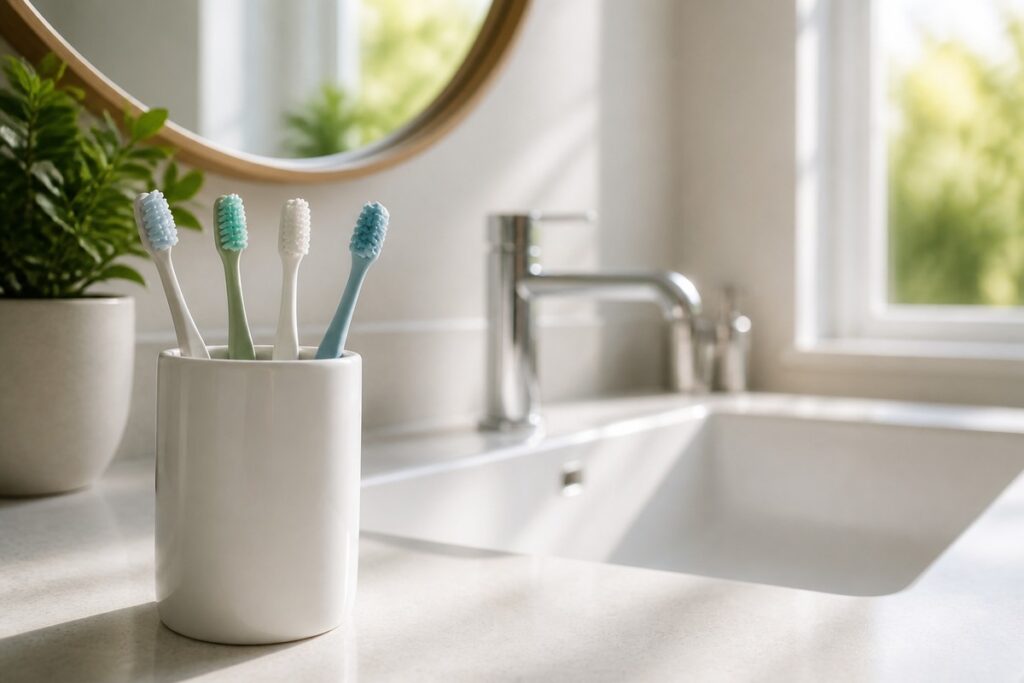
Rinse your brush thoroughly under running water after each use to clear away toothpaste and debris. Then store it upright and uncovered, with a bit of space between it and other brushes in the cup.
Skip the drawer and the closed travel case for everyday storage. Bristles that stay damp in a sealed space don’t dry out the way they should. Pair good brush care with daily oral hygiene habits like flossing to cover the spots bristles can’t reach.
Reminders That Keep You on Track
A small nudge takes the guesswork out of the timeline.
- Set a repeating phone alert or calendar event every three months.
- Write the start date on the handle with a permanent marker.
- Keep a few spare brushes in the cabinet so swapping takes seconds.
Time for a Fresh Start
A new toothbrush costs a few dollars and takes a minute to swap. It’s a simple thing you can do for your teeth between professional cleanings.
If it’s been a while since your last checkup, our team at Pinnacle Dental is happy to take a look and answer any questions about your brushing routine. Book your appointment today.